If you garden in Greensboro, you currently understand shade behaves differently here than it performs in the mountains or on the coast. The Piedmont's warm summers, clay-heavy soils, and pockets of humidity develop conditions that can either suffocate delicate shade plants or make them love almost zero fuss. I've set up and maintained shade gardens throughout Guilford County for several years, from Irving Park backyards underneath fully grown oaks to newer subdivisions with tight lots and irregular shade. The most successful spaces share a couple of characteristics: clever plant choices, soil tuned to our clay, and a design that deals with the way light actually moves across the website in spring and summer. With that foundation, shade stops sensation like a limitation and begins imitating complimentary a/c for your landscape.
Understanding Greensboro Shade
"Shade" isn't one thing. In Greensboro it typically falls under a couple of patterns. Thick early morning shade under old willow oaks, high filtered light underneath pines, or shown brightness near driveways where a structure blocks direct sun but the heat still lingers. A plant that sulks in a dark north-side bed might look perfect under high, lacy pine branches. Focus on the season too. Before leaf-out, deciduous trees enable a spring sunburst that fades to near-full shade by June. That early window encourages spring bulbs and woodland ephemerals that go inactive once the canopy closes.
Our soils matter as much as light. Most Greensboro backyards sit on red clay that drains pipes slowly. Water can sit after storms, then bake in heat, which is difficult on shade fans that prefer even moisture. Include the periodic ice storm, and you need plants that bend rather than snap, and root systems that tolerate heavy ground. I evaluate drain by digging a hole about a foot deep, filling it with water, and timing for how long it requires to drain pipes. If it still holds water after 3 to 4 hours, you'll wish to amend or build up the bed.
Start With the Bones: Structure in Shade
Shade gardens feel calm, nearly quiet, but they still need structure. Without a few evergreen anchors or well-placed stones, the area can blur into one green mass by mid-summer. I like to develop a foundation with broadleaf evergreens and textural shrubs, then weave in perennials and groundcovers.
For Greensboro conditions, consider a staggered plan of southern staples that deal with filtered light. Japanese plum yew gives you a dark, shiny backdrop that contrasts wonderfully with chartreuse foliage like 'Sun King' aralia. Hollies, especially smaller yaupon selections, add berry color for birds. Hydrangeas, both smooth and oakleaf types, pull double task with flowers and excellent fall color. The point is not to cram every understory shrub into the bed, however to position a couple of strong types and duplicate them. Repetition reads as intentional, and it makes upkeep simpler.
Don't ignore hardscape in shaded locations. Shadow makes color decline, so materials with lighter, warmer tones pop. A pale gravel course threaded through the bed, a limestone stepper, or a weathered cedar bench welcomes the eye forward. One little seating pad tucked into the cool corner of a backyard can feel ten degrees cooler on a July afternoon, and it turns a seldom-used location into a destination.
Soil, Drain, and Mulch That Work With Clay
Clay holds nutrients well, which is a present, but it requires air. Improving texture beats dumping in bagged topsoil. I blend ended up garden compost into the leading 6 to 8 inches and break up large clods with a fork, not a rototiller that can smear clay into layers. If a bed has chronic wet spots, I raise it. 4 to 6 inches of elevation can suggest the distinction between pleased roots and plants that yellow out by August.
Mulch in shade is more than cosmetics. In the Piedmont, shredded wood or pine fines develop a soft layer that feeds the soil as it decays. I go for a 2 to 3 inch layer, pulled back from the crowns of plants. Pine straw curls elegantly around hellebores and ferns and remains airy, which helps avoid crown rot. Avoid heavy, barky mulches that form a crust and shed water. If voles are an issue where you live, keep mulch a little lighter around hostas and other vole treats, and consider adding gritty products like expanded slate along planting holes to discourage tunnels.
Plant Choices That Love Greensboro Shade
If you check out national gardening lists, you'll see the very same dozen shade plants over and over. In Greensboro, some of them carry out, some battle, and a couple of turn invasive. These are workhorses I've planted consistently in local yards and would attest again.
- Reliable foundation plants Oakleaf hydrangea, consisting of compact kinds for smaller beds. They take dappled sun, endure heat, and their exfoliating bark lightens up winter. Smooth hydrangea ranges that flower on new wood and rebloom if pruned correctly, pairing well with boxwood or plum yew. Japanese plum yew cultivars that handle clay much better than numerous conifers and maintain a deep green through heat. Aucuba in deeper shade pockets where glossy foliage outweighs flowers. Keep it out of areas with strong afternoon sun. Mahonia for architectural punch and winter bloom. Select modern-day, less prickly selections and give them room. Perennials and groundcovers that do not quit Hellebores that flower from late winter season into spring. They shrug off freezes and settle into clay with minimal hassle as soon as established. Autumn fern and Christmas fern, both tough, both tolerant of dry shade as soon as rooted. Blend with Japanese painted fern for a silver highlight. Wild ginger for a rich, low carpet in equally wet, humus-rich soil. It plays perfectly along paths. Heuchera, ideally Southeastern-bred lines that endure humidity. Treat them as edge accents, not the main fabric. Hostas where deer pressure is low or managed. Blue-toned hostas hold color in early morning light, green and gold types handle brighter shade.
Trees and big shrubs for canopy and understory can turn a sporadic space into a layered woodland. Serviceberry brings early spring flowers and a tidy kind that fits little Greensboro lots. Redbud, including local choices with good heat tolerance, lights up in April and casts a soft shade later on. American holly creates a tall evergreen screen on the north side of a property without monopolizing sun where it matters.
For seasonal sparkle, I weave in spring bulbs below deciduous canopies. Daffodils acclimate well in our soils and prevent voles. I plant them in irregular clusters, not formal rings, and let them die back undisturbed. After the canopy closes, the area moves to foliage and texture, which is exactly what shade does best.
Designing for Light You In Fact Have
Walk the area at 3 times: early morning, midday, and late afternoon. In Greensboro, summer season sun angles are high enough that a tree casting open, filtered shade at 9 a.m. can allow remarkably strong rays at 2 p.m. Plants like oakleaf hydrangea and aralia invite a couple of hours of morning sun however can burn with direct late-day exposure. Deep shade near structures tends to stay cooler and more stable, which suits ferns, hellebores, and aucuba.
I map beds by intensity. The brightest edges get hydrangeas, plum yew, and hard perennials. The mid-zone gets ferns and heuchera, with groundcovers stitching it together. The darkest corners, typically near privacy fences, end up being the visual rest: broadleaf evergreens, mossy stones, possibly a single variegated aucuba to capture what light sneaks in.
Under fully grown oaks or maples, root competitors becomes the restriction. These trees pull moisture quickly and leave a web of surface roots. Rather than digging wide holes that sever roots, I plant in pockets, utilize smaller container sizes, and mulch well. In severe cases, I move to above-grade planters or stone-edged berms, then limitation irrigation to deep, infrequent soakings to motivate roots to reach.
Color and Texture in the Shadows
Bloom color in shade is a perk, not the foundation. Foliage brings the scene. Greensboro's heat dulls pastel tones by August, but variegation and contrasting leaf shapes remain lively. Set big hosta entrusts feathery ferns, or set glossy aucuba versus the matte surface of oakleaf hydrangea. A strip of chartreuse, whether from 'Sun King' aralia or a lime heuchera, raises the entire composition.
White flowers and pale accents check out well at twilight. White-blooming hydrangeas, a drift of white astilbe along a course, or even weathered shells utilized as mulch bands can brighten long, dim beds. In one Fisher Park yard, we tucked a narrow mirror on a fence behind a trellis of evergreen clematis to bounce light and produce depth. It sounds like a technique, but it felt subtle and drew you deeper into the garden.

Watering and Care Through Our Summers
Shade utilizes less water than sun, however not none. In Greensboro's heat, even shaded beds can dry quicker than you expect if roots share space with big trees. I prefer drip lines under mulch. They provide slow, even wetness and keep leaves dry, which minimizes fungal issues. A weekly inch of water, either from rain or drip, is a reputable target for recently planted beds. When established, numerous shade plants can extend longer between beverages, specifically if you have actually built great soil.
Fertilizing in shade has to do with small amounts. Too much nitrogen presses soft development that flops and invites slugs. A spring top-dressing with compost around perennials and an annual sprinkle of a balanced, slow-release fertilizer for shrubs suffices. Hydrangeas respond to a little extra raw material as buds form. If leaves show yellowing in between veins by midsummer, look for poor drainage first before presuming a nutrient deficiency.
Greensboro brings a spring flush of slugs and snails. Copper bands around treasured pots and aggressive cleanup of wet leaf piles help. In planted beds, I use iron phosphate baits sparingly and target problem zones. Deer are unforeseeable inside city limits and more consistent nibblers on the edge of town. If searching is heavy, favor deer-resistant ferns, hellebores, plum yew, and aucuba, and cage hostas the first season until scents and habits shift.
Paths, Seating, and Little Moments
Shade motivates lingering, so give yourself a factor to be there. A curved path of crushed granite feels firm underfoot and drains well, even on clay. Keep courses a minimum of 30 inches broad so they don't feel cramped once plants lean in. Location a bench where there's a small opening above, so a break of sky lightens up the view. If you have a tight yard typical in newer Greensboro areas, two stepping stones leading to a low boulder and a single planter under a crape myrtle can seem like a destination without stealing lawn.
Lighting works in a different way in shade. Subtle uplights under oakleaf hydrangea or along the trunk of a redbud give depth on summertime evenings. Usage warmer color temperature levels, around 2700K, to flatter greens. Avoid over-lighting, which flattens the state of mind. A couple of components, thoughtfully aimed, do more than a string of brilliant spots.
Seasonal Rhythm That Makes Sense Here
An effective shade garden provides you something each season. In late winter season, hellebores flower as early as February, specifically in safeguarded city microclimates. Mahonia opens yellow spires that draw bees on moderate days. By March and April, redbuds glow and hydrangea leaves unfurl fresh and matte. Early bulbs shine before the canopy closes.
Summer in shade is about cool greens. Ferns carry the texture, hydrangeas bloom, and aralia keeps that lime pop. Fall belongs to oakleaf hydrangea, whose foliage turns wine, amber, and russet, and to the bark of paperbark maple if you have space for one. Winter season removes the garden back to structure: evergreen mounds, the bones of courses, the bark of oakleaf hydrangea, and the dark needles of plum yew.
I encourage one little modification each season. Include a drift of bulbs this fall, a single structural shrub next spring, a seating stone in summer. Shade gardens react well to patience. They thicken, knit, and settle in.
Avoiding Common Shade Pitfalls
Two mistakes appear frequently in Greensboro. The very first is planting sun enthusiasts that seem shade tolerant on tags. Azaleas, for instance, are a shade staple, but many contemporary, reblooming types desire more light than a tight north wall offers. Pick cultivars suited to part shade and give them early morning light if possible. The 2nd is overwatering. Slow-draining clay plus generous watering equates to root rot. Keep an easy wetness meter or use your fingers to inspect 2 inches down before you water.
Invasive groundcovers are a 3rd, quieter issue. English ivy climbs and smothers, and as soon as it takes hold it moves quick into neighboring trees and fences. Rather, construct a layered matrix with ferns, wild ginger, and sedges. You'll get the exact same weed suppression and a softer, more diverse floor.
Small Lawns, Big Shade
Not every Greensboro lot has space for sweeping beds. Townhomes and infill lots still take advantage of shade planting. In tight spaces, vertical interest matters. A narrow trellis with evergreen clematis or even a shade-tolerant climbing up hydrangea can mask energy lines and add flower. Use fewer plant types and duplicate them. Three ceramic pots in the exact same color household, each with a small plum yew, a fern, and a routing wild ginger, checked out cohesive instead of cluttered.
Containers help where tree roots dominate the soil. A half scotch barrel tucked near a deck can hold a miniature shade vignette. Use a light, well-draining mix and water consistently, since containers dry much faster. In winter season, group pots near to your house for protection and visual unity.
Greensboro Examples from the Field
In a Starmount Forest yard underneath a pair of big oaks, we constructed a low crescent berm with on-site soil combined with garden compost and pine fines. Along the top we planted a duplicating pattern of oakleaf hydrangea and plum yew. In between them, pockets of Japanese painted fern and hellebores knit the ground. A basic pea gravel path slipped in between the bed and the lawn. That garden required watering only the very first summer. By the 2nd, the shade kept soil cool enough that a deep soak every two to three weeks brought it through heat waves.
On a north-facing side backyard off West Market Street, area was tight. We leaned on vertical texture: clumping bamboo alternatives like Fargesia for a light screen, a narrow bench versus the brick wall, and a single, sculptural mahonia as a focal point. The floor was pine straw with stepping stones. It looked intentional from the first day and grew into a quiet corridor that felt far from traffic.
Coordinating Shade With the Rest of Your Yard
If you're preparing broader landscaping, deal with the shade garden as part of an entire, not a remaining. Pathways ought to link to bright areas without abrupt material changes. Reuse plant hints, like duplicating the exact same gravel or echoing the chartreuse of 'Sun King' with a sun-tolerant counterpart elsewhere. A well-integrated shade area elevates the whole property and increases usability throughout our hottest months.
Homeowners searching for landscaping Greensboro NC typically ask for low-maintenance solutions that look excellent all year. Shade gardens, when developed with the ideal structure and plant palette, deliver precisely that. They keep watering requires affordable, lower weed pressure, and supply a cool retreat throughout summer. Succeeded, they also support pollinators in shoulder seasons with early and late flowers that bright beds often miss.
A Practical Planting Sequence
For a new or renovated shade bed, a basic sequence keeps things on track.
- Prep and layout Test drainage, change the top layer with garden compost, and raise low spots. Set big components first: stones, benches, and path edges. Place shrubs and evergreens, then step back and check sight lines from inside the house and from primary paths. Plant and finish Install shrubs a little high to account for settling in clay. Tuck perennials and groundcovers in pockets, grouping in odd numbers for a natural look. Lay drip lines, then mulch evenly, keeping mulch off crowns and trunks.
Water deeply after planting, then let the top inch of soil dry in between waterings to encourage roots to go after moisture. Anticipate a shade bed to look excellent the first season and run easily by the third.
When to Call in Help
Some areas resist simple fixes. If water represents days after rain, if mature tree roots make planting unpleasant, or if deer beat you to every hosta leaf, speak with a regional pro. Solutions might consist of discreet drain work, above-grade planters, species swaps, or protective steps that do not ruin the appearance. A seasoned landscaping group acquainted with Greensboro microclimates will read the website rapidly. They'll know which hydrangea varieties laugh at afternoon heat and which ferns sulk in your specific soil.
The Payoff
Shade gardens ask for observation more than effort. See how the light lifts in April, how the bed exhales after a summer season rain, how winter season bark and evergreen form keep shape when everything else goes quiet. In Greensboro's environment, all of that stacks up to an area that stays usable when sunlit lawns go fragile. With the https://kyleroqid424.cavandoragh.org/greensboro-nc-landscaping-trends-homeowners-love-in-2025 best bones, tuned soil, and a plant list proven in our heat and clay, your shade can carry as much appeal and interest as any warm border, and typically with less work.
Treat the dubious parts of your yard as a chance. Construct structure you'll still value in January, choose plants that prosper where they're planted, and let the rhythm of the canopy set the pace. Whether you're refreshing a little side lawn or preparation full-scale landscaping, Greensboro NC shade can be your most comfortable, durable garden room.
Business Name: Ramirez Landscaping & Lighting LLC
Address: Greensboro, NC
Phone: (336) 900-2727
Website: https://www.ramirezlandl.com/
Email: [email protected]
Hours:
Sunday: Closed
Monday: 8:00 AM–5:00 PM
Tuesday: 8:00 AM–5:00 PM
Wednesday: 8:00 AM–5:00 PM
Thursday: 8:00 AM–5:00 PM
Friday: 8:00 AM–5:00 PM
Saturday: 8:00 AM–5:00 PM
Google Maps: https://www.google.com/maps/search/?api=1&query=Google&query_place_id=ChIJ1weFau0bU4gRWAp8MF_OMCQ
Map Embed (iframe):
Social Profiles:
Facebook
Instagram
Major Listings:
Localo Profile
BBB
Angi
HomeAdvisor
BuildZoom
Ramirez Landscaping & Lighting is a Greensboro, North Carolina landscaping company providing design, installation, and ongoing property care for homes and businesses across the Triad.
Ramirez Landscaping & Lighting offers hardscapes like patios, walkways, retaining walls, and outdoor kitchens to create usable outdoor living space in Greensboro NC and nearby communities.
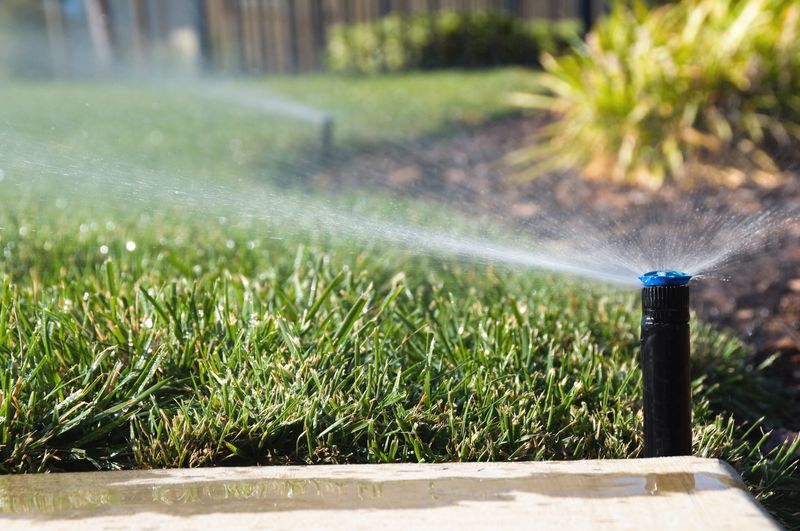
Ramirez Landscaping & Lighting provides irrigation services including sprinkler installation, repairs, and maintenance to support healthier landscapes and improved water efficiency.
Ramirez Landscaping & Lighting specializes in landscape lighting installation and design to improve curb appeal, safety, and nighttime visibility around your property.
Ramirez Landscaping & Lighting serves Greensboro, Oak Ridge, High Point, Brown Summit, Winston Salem, Stokesdale, Summerfield, Jamestown, and Burlington for landscaping projects of many sizes.
Ramirez Landscaping & Lighting can be reached at (336) 900-2727 for estimates and scheduling, and additional details are available via Google Maps.
Ramirez Landscaping & Lighting supports clients with seasonal services like yard cleanups, mulch, sod installation, lawn care, drainage solutions, and artificial turf to keep landscapes looking their best year-round.
Ramirez Landscaping & Lighting is based at 2700 Wildwood Dr, Greensboro, NC 27407-3648 and can be contacted at [email protected] for quotes and questions.
Popular Questions About Ramirez Landscaping & Lighting
What services does Ramirez Landscaping & Lighting provide in Greensboro?
Ramirez Landscaping & Lighting provides landscaping design, installation, and maintenance, plus hardscapes, irrigation services, and landscape lighting for residential and commercial properties in the Greensboro area.
Do you offer free estimates for landscaping projects?
Ramirez Landscaping & Lighting notes that free, no-obligation estimates are available, typically starting with an on-site visit to understand goals, measurements, and scope.
Which Triad areas do you serve besides Greensboro?
Ramirez Landscaping & Lighting serves Greensboro and surrounding Triad communities such as Oak Ridge, High Point, Brown Summit, Winston Salem, Stokesdale, Summerfield, Jamestown, and Burlington.
Can you help with drainage and grading problems in local clay soil?
Yes. Ramirez Landscaping & Lighting highlights solutions that may address common Greensboro-area issues like drainage, compacted soil, and erosion, often pairing grading with landscape and hardscape planning.
Do you install patios, walkways, retaining walls, and other hardscapes?
Ramirez Landscaping & Lighting offers hardscape services that commonly include patios, walkways, retaining walls, steps, and other outdoor living features based on the property’s layout and goals.
Do you handle irrigation installation and repairs?
Ramirez Landscaping & Lighting offers irrigation services that may include sprinkler or drip systems, repairs, and maintenance to help keep landscapes healthier and reduce waste.
What are your business hours?
Ramirez Landscaping & Lighting lists hours as Monday through Saturday from 8:00 AM to 5:00 PM, and closed on Sunday. For holiday or weather-related changes, it’s best to call first.
How do I contact Ramirez Landscaping & Lighting for a quote?
Call (336) 900-2727 or email [email protected]. Website: https://www.ramirezlandl.com/.
Social: Facebook and Instagram.
Ramirez Landscaping & Lighting is proud to serve the Greensboro, NC community and offers professional hardscaping solutions to enhance your property.
Need outdoor services in Greensboro, NC, contact Ramirez Landscaping & Lighting near Tanger Family Bicentennial Garden.